Poster - Joachim Patinir, The Crossing of the Styx
- In stock, ready to ship
- Delivery in 5–7 business days
- Free worldwide shipping* on orders of €60 or more
* For deliveries to countries outside Europe, the United Kingdom (UK), North America, Brazil, and Japan, additional import duties, customs duties, import VAT, or customs clearance fees may apply depending on the respective delivery and production locations. These costs are to be borne by the recipient.
ARTLIA's art prints are produced according to standardized paper and canvas formats.
Depending on the aspect ratio of the original artwork and the chosen format, it may happen that the edges of the image are slightly adjusted to achieve a harmonious overall effect and high print quality.
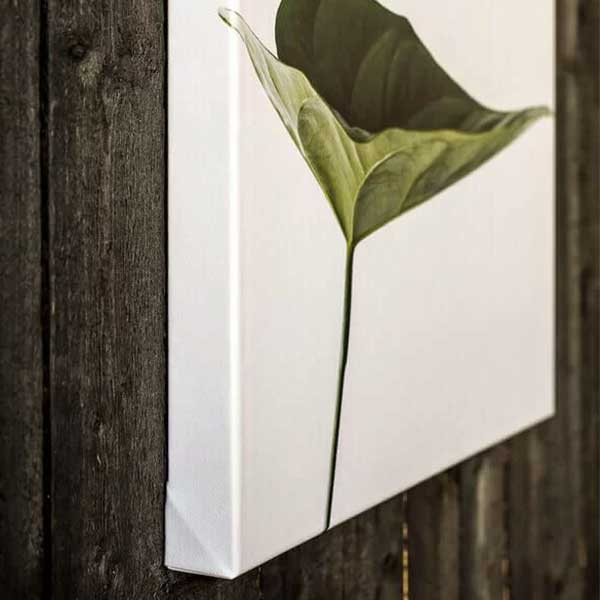
For canvas prints, the ARTLIA team ensures that the main motif is placed as fully as possible on the front side. The side frame areas are continued in color and style to match the original image.
This is a deliberate and common production step with which the ARTLIA team ensures the aesthetic quality of each artwork.
One motif, many styles: discover our diverse collection


Poster - Joachim Patinir, The Crossing of the Styx
Make a bold statement in any room with this framed poster - Joachim Patinir, The Crossing of the Styx. Printed on high-quality, thick, matte paper.
• Paper weight: 189 g/m²
• 0.26 mm (10.3 mil) thick
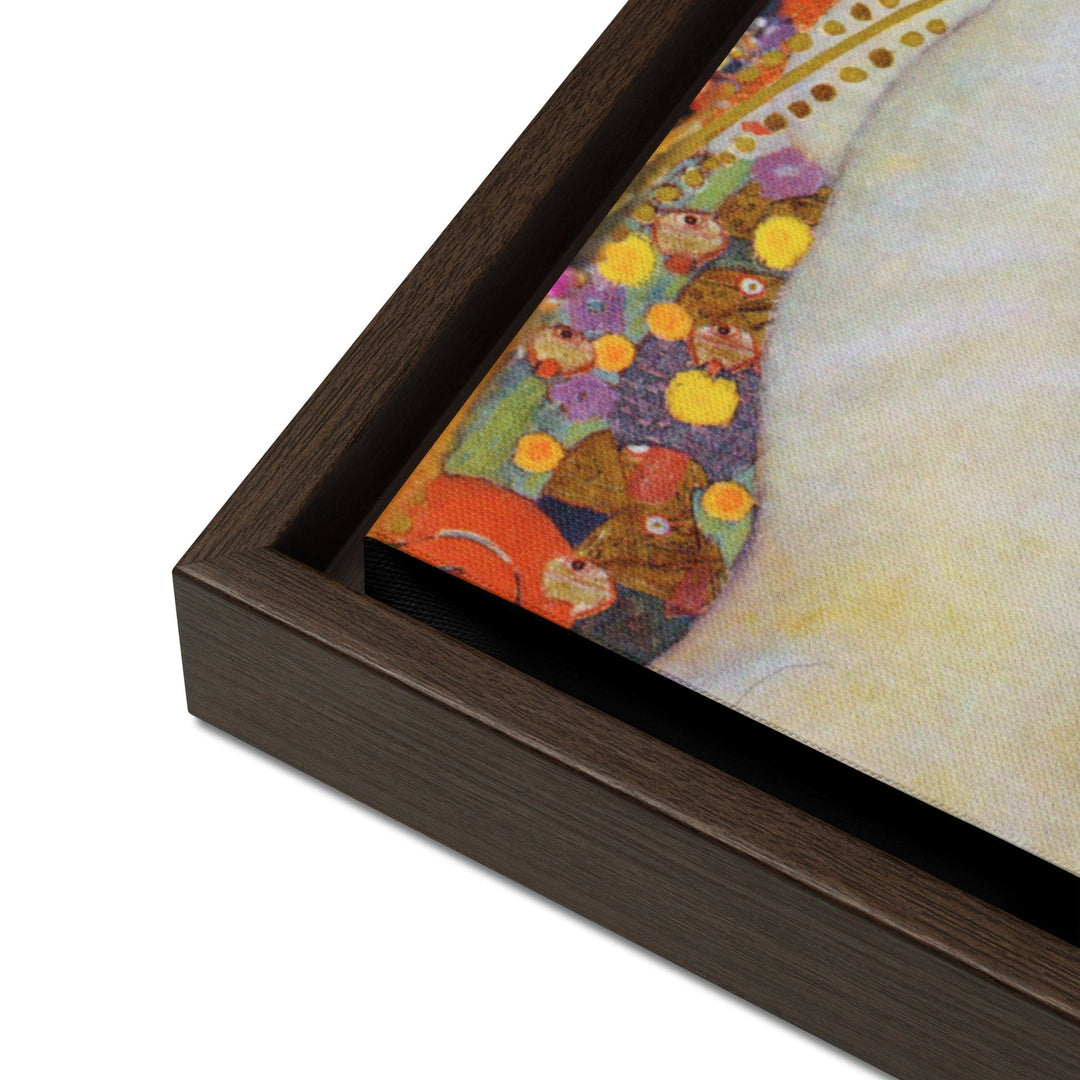
Black and white frames made from semi-hard alder wood
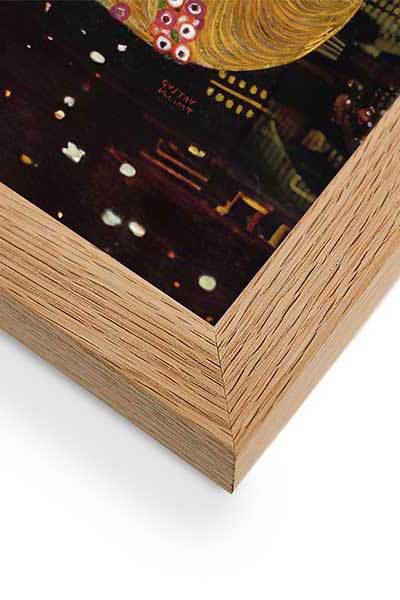
Solid oak frame
Acrylicite front protection sheet
• Hanging hardware included
• 21 × 30 cm posters are A4 size
• Raw product components in the US sourced from Japan and the US
• Raw product components in the EU sourced from Japan and Latvia
How to attach the hooks to horizontal 61 × 91 cm frames:
Attach each mounting hook 2.5 cm from the frame corners when hanging the poster horizontally.

Joachim Patinir – The Crossing of the Styx
Between Paradise and Hell – A Visionary Journey to the Boundaries of Life
A quiet river, a mysterious landscape, and a soul on its final journey: with his painting “The Crossing of the Styx,” Flemish painter Joachim Patinir creates one of the most striking visual visions of the European Renaissance. Created around 1520–1524, the work takes the viewer into a fascinating in-between world where classical mythology, Christian notions of the afterlife, and exceptional landscape painting merge.
At the center of the painting is Charon, the ferryman of Greek mythology. In his small boat, he carries the soul of a deceased person across the Styx, the legendary river that separates the world of the living from the realm of the dead. Two possible destinations lie before the soul: Paradise and Hell. The crossing thus becomes a symbol of humanity’s final passage—and of the decisive question of the soul’s fate.

Two Worlds – One Choice
Patinir unfolds before our eyes a landscape of extraordinary beauty and unsettling contrasts. On the left side of the painting, Paradise appears as a peaceful, almost unreal world. Lush vegetation, clear water, and a light-filled setting convey an impression of perfect harmony. The landscape seems like a place of redemption, tranquility, and divine order.
But the way there does not seem straightforward. The entrance to Paradise is narrow and challenging. The beauty of this world conceals a certain inaccessibility: it must be reached and, in a sense, earned.
On the opposite side, the gloomy landscape of the underworld opens up. Dark rocks, menacing forms, and the ominous atmosphere of the realm of hell create a stark contrast with the paradisiacal side. At the entrance to the underworld stands Cerberus, the three-headed hound of Greek mythology, guarding the way into the realm of the dead.
The spatial arrangement is particularly striking: the route to hell appears relatively broad and easy to access, while the entrance to paradise is narrow and more difficult to reach. This contrast conveys one of the painting’s central messages. The path of temptation may seem comfortable, while the path to salvation demands effort, guidance, and a conscious choice.

Charon and the soul’s final journey
The figure of Charon comes from ancient mythology. As the ferryman of the underworld, he carries the souls of the dead across the rivers of Hades. In Greek tradition, the Styx was considered a particularly significant boundary river between the world of the living and the realm of the dead. Crossing it marked the final passage into the afterlife.
Patinir draws on this ancient motif and connects it with the religious beliefs of his time. This gives the scene an additional layer of meaning: the soul’s journey is understood not only as a mythological event but also as an allegory of the Christian understanding of salvation, damnation, and moral responsibility.
Against the vast landscape, the small figure in the boat seems almost lost. They are at a decisive turning point, with the familiar world already behind them and the unknown afterlife before them. Their journey is irreversible. This quiet, almost inconspicuous scene is precisely what gives the painting its particular emotional power.

A landscape as a mirror of human existence
Joachim Patinir is considered one of the most important pioneers of independent landscape painting in the Netherlands. While religious figures and biblical events often took center stage in the painting of his time, Patinir gave the landscape an importance that was extraordinary for its time.
Nature also dominates the composition in “The Crossing of the Styx.” The human figures are small, while the landscape stretches across the entire picture. Vast valleys, mysterious waters, steep rock formations, and distant horizons combine to form an imaginary panorama that goes far beyond a realistic depiction of nature.
Patinir’s so-called world landscape is characteristic of his work: an idealized landscape composed of various natural motifs and viewed from an elevated perspective. The painter uses different color zones to create spatial depth. Warm browns and greens in the foreground gradually give way to cooler blues and turquoise hues in the distance.
This interplay of colors leads the viewer’s gaze across the entire landscape. At the same time, it heightens the impression of a world that is larger and more mysterious than human experience.
Nature here is not merely a backdrop. It becomes the vehicle for a universal statement about life, death, and humanity’s place within a comprehensive divine order.
Between classical mythology and the Christian worldview
What makes this painting special is its fusion of two intellectual traditions. On the one hand, Patinir draws on classical mythology and its conception of the underworld. On the other, the work is shaped by early modern Christian ideas of the afterlife.
This combination was characteristic of the European Renaissance. Artists and scholars engaged deeply with the classical texts passed down to them, connecting their imagery with the religious and philosophical questions of their own time.
In Patinir’s painting, the Styx thus becomes more than a mythological river. It symbolizes the boundary between two forms of existence. The crossing represents the inevitability of death, while the two shores embody different ideas about the fate of the human soul.
The painting invites us to reflect on fundamental questions: What determines a person’s path? What role do their choices play? And what awaits them beyond the visible world?
Patinir offers no simple answer. Instead, he lets the landscape itself become the setting for these questions.
Joachim Patinir - a pioneer of Flemish landscape painting
Joachim Patinir was born around 1480 and worked primarily in Antwerp. He is considered one of the leading figures of the early Dutch Renaissance and played a crucial role in the development of landscape painting as an independent genre.
His works are distinguished by sweeping panoramas, fantastical landscape formations, and a careful blending of religious or mythological themes with imaginary natural worlds.
Although Patinir often depicted figures and stories from Christian or classical tradition, it is above all his landscape art that makes him distinctive to this day. His paintings open up a world in which nature, spirituality, and human destiny are inextricably linked.
“The Crossing of the Styx” also impressively shows how he transforms a relatively small mythological event into a comprehensive pictorial vision. The landscape becomes the true setting for an existential narrative.
A Masterpiece of Timeless Significance
More than five hundred years after it was created, “The Crossing of the Styx” has lost none of its fascination. The painting combines extraordinary artistic imagination with questions that remain relevant to this day.
The contrast between paradise and hell, light and darkness, hope and threat opens up different possibilities for interpretation. At the same time, the tiny figure in the boat is a reminder of how limited human existence is in the face of the vastness of the world.
Perhaps this is where the work’s special power lies: it shows not only a journey into the afterlife, but also poses a question about life itself. For the decision about which path to take does not begin only at the end of the journey.
Patinir’s painting invites us to pause and reflect on our own existence - on transience, responsibility, hope, and the search for direction in a world full of opposites.
An extraordinary Renaissance masterpiece that brings mythology and spirituality, landscape and philosophy together in a timeless composition.

Artwork at a Glance
- Artist: Joachim Patinir (around 1480–1524)
- Title: The Crossing of the Styx (also: Landscape with Charon Crossing the Styx)
- Original title: El paso de la laguna Estigia
- Date: around 1520–1524
- Art period: Northern Renaissance
- Medium: oil on wood
- Dimensions: approx. 64 × 103 cm
- Location: Museo Nacional del Prado, Madrid, Spain
ARTLIA – Art That Tells Stories
Some works of art decorate a room. Others open up a new perspective on the world. Joachim Patinir’s “The Crossing of the Styx” is one of those paintings whose significance extends far beyond its aesthetic impact. It combines the beauty of the Renaissance with profound reflection on the great questions of human existence.